The Process
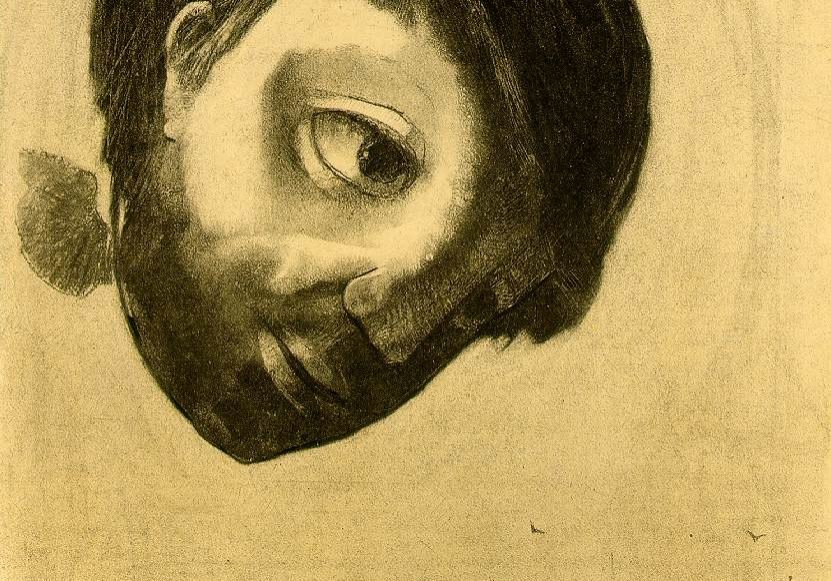 1
Form
We see faces in clouds, trees, mountain ranges, stones and sometimes manmade objects. Start here — it will save you headaches later.
1
Form
We see faces in clouds, trees, mountain ranges, stones and sometimes manmade objects. Start here — it will save you headaches later.
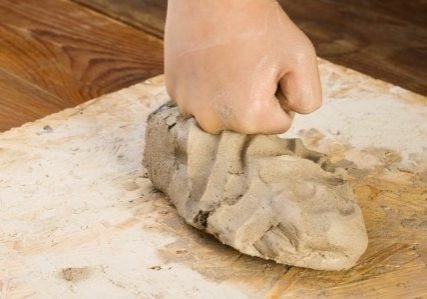 2
Clay
To make a mask, start with clay. The regular mud kind, made of earth. A humble material, and the best one to start with.
2
Clay
To make a mask, start with clay. The regular mud kind, made of earth. A humble material, and the best one to start with.
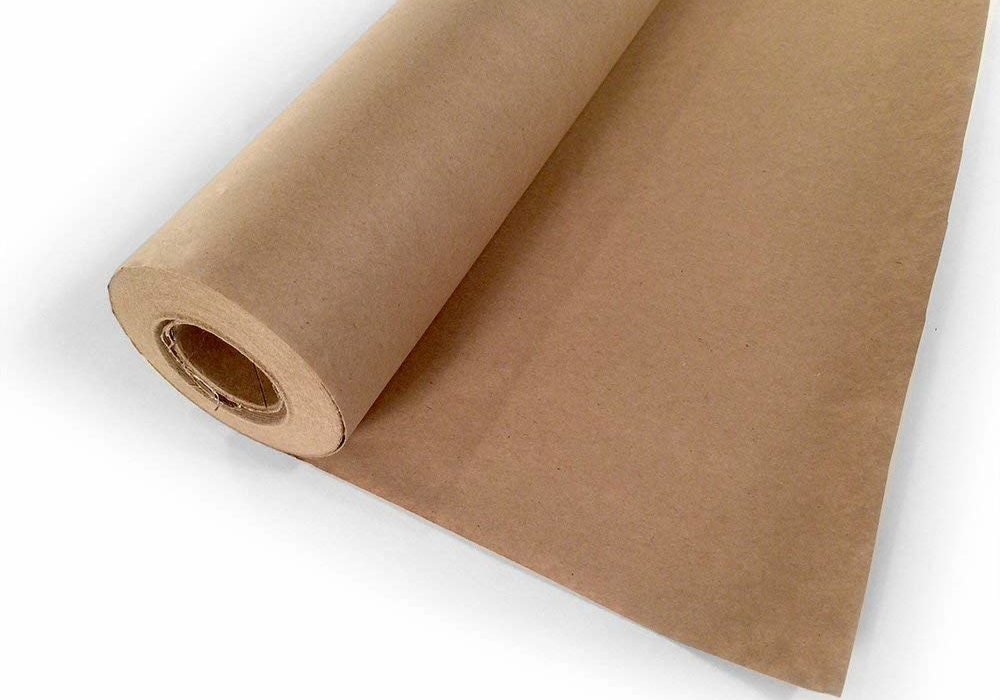 3
Paper
Paper mache is strong but flexible, and durable enough for years of workshop or performance use. The next best thing to leather.
3
Paper
Paper mache is strong but flexible, and durable enough for years of workshop or performance use. The next best thing to leather.
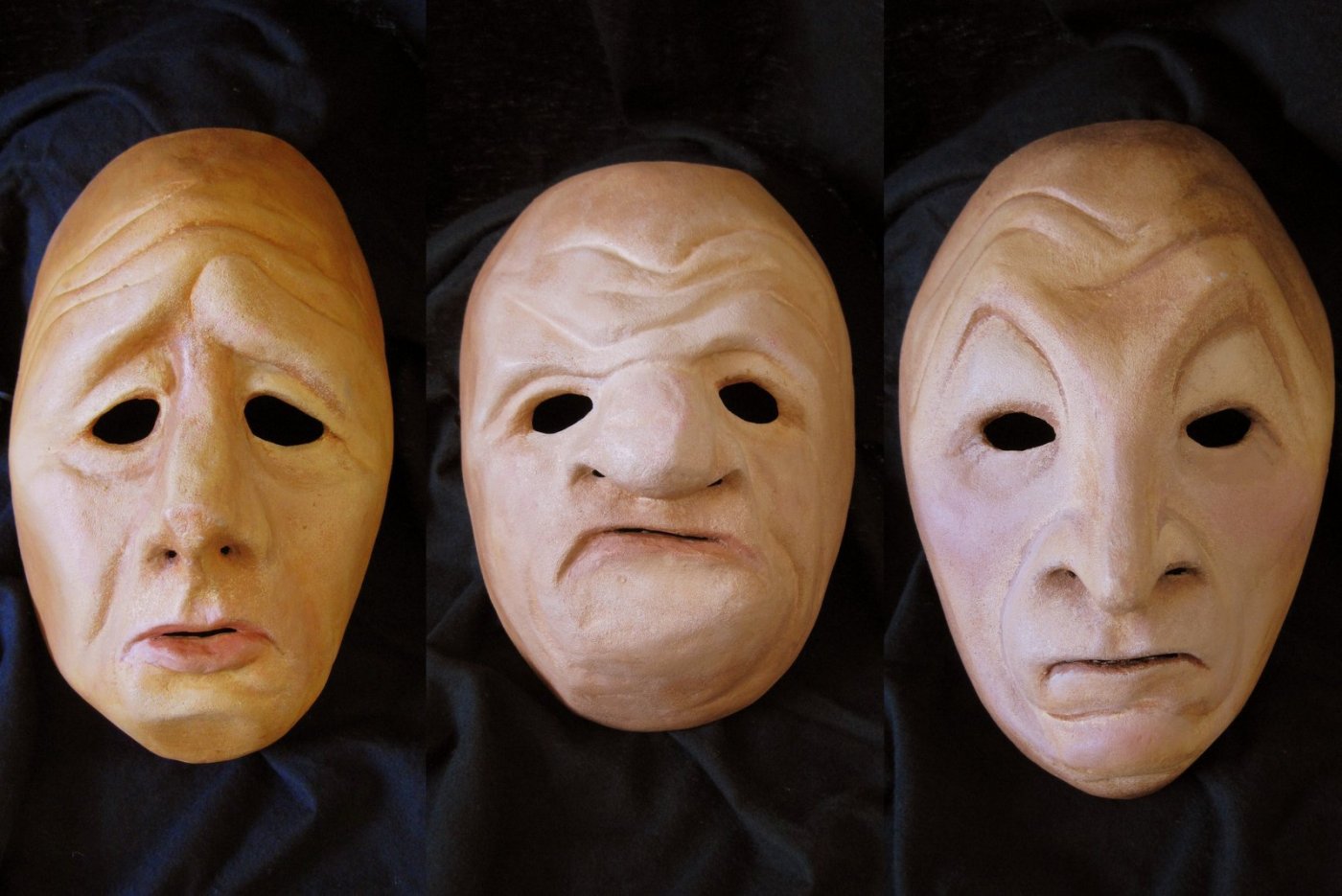 4
Finish
Trimming, edging, sanding, paint, and the care of your mask over time.
4
Finish
Trimming, edging, sanding, paint, and the care of your mask over time.
Advanced mask making for beginners
I learned the art of mask making studying under one of the living masters of the art, Matteo Destro of Padova, Italy. Three years of studying under Matteo at HELIKOS, International School for Theater Creators in Florence, Italy made me wildly curious about the work of mask making and still want to deepen my understanding in the field. Since then I have made masks for myself and as commissions, even given a handful of workshops and I want to deepen my own understanding by sharing the work with others.
There are precious few online resources for curious mask makers. Mask Farm is an open book of my own notes on the subject and I hope that it will be of some use to you on your way to making masks.
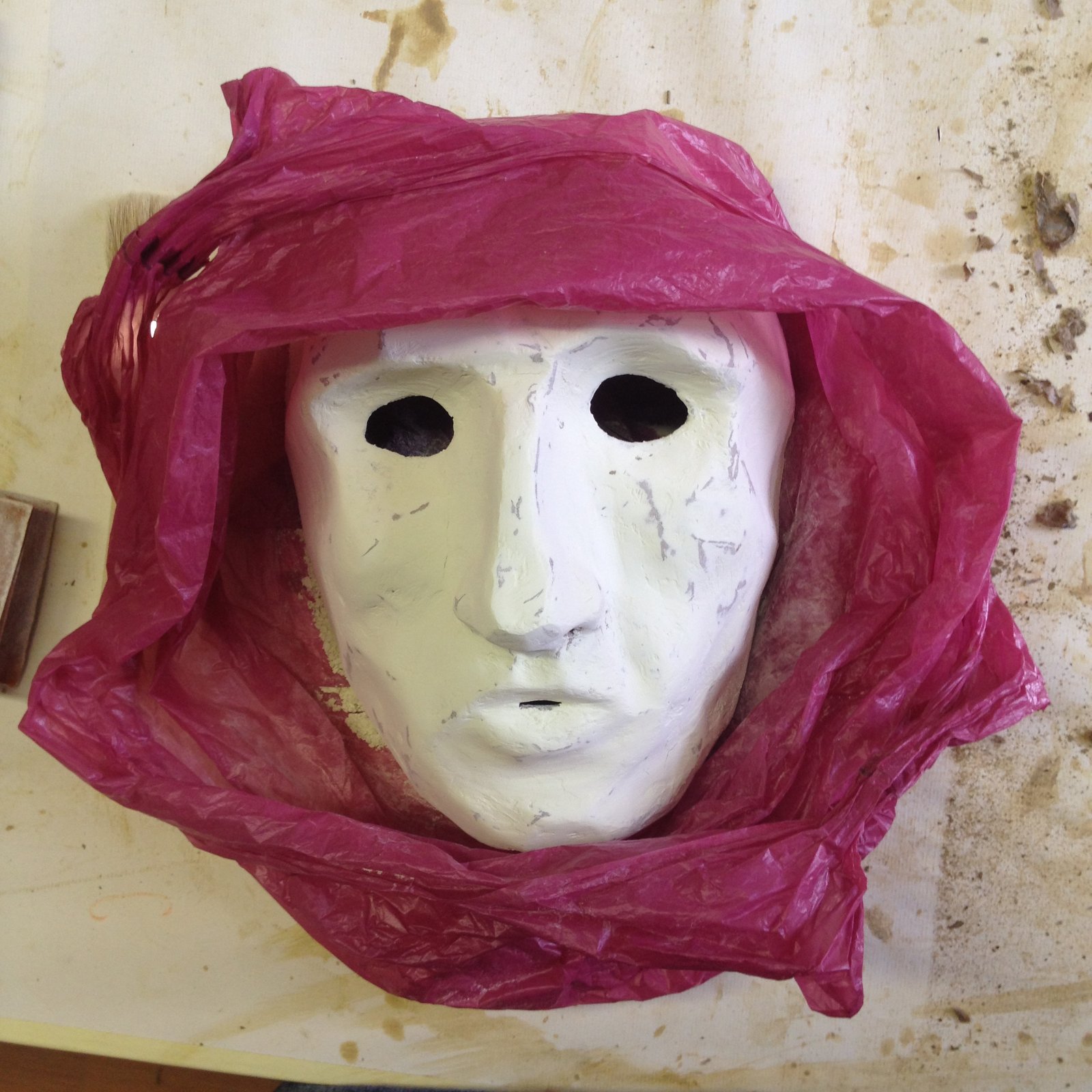
Masks — W. T. Benda
A 70 MB full color PDF of Benda's 1944 book with pictures and illustrations of expressive and fantastical masks made in the 20s and 30s. Benda shares his odd construction technique along with charming anecdotes in sourcing materials that will ring familiar to mask makers today. → Read more